
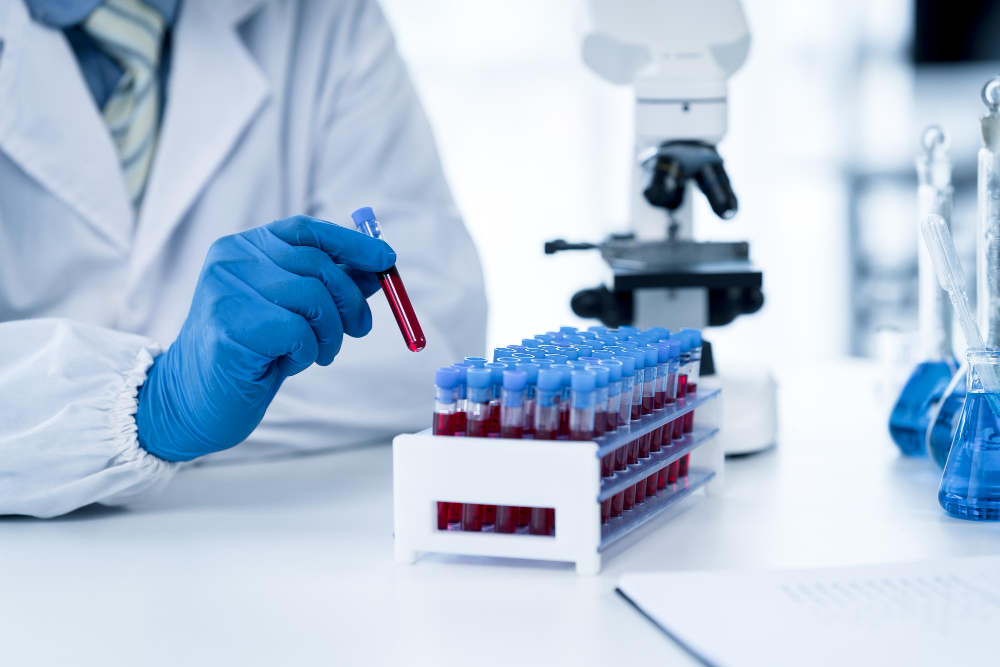
What is a Blood Culture Test?
A blood culture test checks your blood for germs like bacteria or fungi. Doctors use this test to find out if you have a blood infection. For example, if you have a fever that will not go away, your doctor may order this test. Because blood infections can be serious, early diagnosis is important. The blood culture test helps doctors choose the right treatment quickly. This test is common in hospitals and clinics across the world.
Why is a Blood Culture Test Needed?
Doctors order a blood culture test when they think you might have a blood infection. Sometimes, this infection can spread fast and cause serious illness. For instance, sepsis is a life-threatening condition that can start with a blood infection. According to the CDC, quick diagnosis and treatment can save lives. In addition, a blood culture test helps find the exact germ causing the infection. That way, doctors can give you the best medicine for your illness.
Symptoms That May Lead to a Blood Culture Test
Many symptoms can make your doctor think you need a blood culture test. However, not everyone with these symptoms will need the test. Common signs include:
Sometimes, people with weak immune systems or recent surgery may also need this test. If you have any of these symptoms, your doctor may explain how blood culture works and why it is important.
How is a Blood Culture Test Performed?
First, a nurse or technician will clean your skin with alcohol. Next, they will use a needle to take blood from your arm. Usually, they collect blood from two different spots. This helps make sure the results are accurate. The blood goes into special bottles. Then, the bottles are sent to a lab. In the lab, experts watch the blood for signs of germs. The blood culture procedure is safe and quick. Most people feel only a small pinch during the test.
Understanding Blood Culture Test Results
After the test, you may wonder what to expect from a blood culture test. Usually, it takes one to five days to get results. If the lab finds germs, the test is positive. This means you have a blood infection. The lab will also find out which germ is causing the problem. If no germs grow, the test is negative. Sometimes, the lab may find germs that are not harmful. Your doctor will explain what the results mean for you. They will also talk about the next steps for treatment.
Risks and Safety of Blood Culture Tests
For most people, a blood culture test is very safe. However, like any test with a needle, there are small risks. For example, you might get a bruise or feel sore where the needle went in. Rarely, you could get an infection at the site. If you notice redness, swelling, or pain after the test, let your doctor know. Overall, the benefits of finding a blood infection far outweigh these small risks.
Tips for Preparing for a Blood Culture Test
Preparing for a blood culture test is simple. Usually, you do not need to stop eating or drinking. However, always follow your doctor’s instructions. Here are some helpful tips:
Because the test is quick, you can return to normal activities right after.
Frequently Asked Questions About Blood Culture Tests
If you have more questions about how blood culture works or what to expect from a blood culture test, ask your healthcare provider. They can give you answers based on your health needs.