
What Are FSH, LH, and Prolactin?
FSH, LH, and Prolactin are important hormones in your body. The FSH, LH, Prolactin test checks their levels in your blood. These hormones help control growth, puberty, and the ability to have children. For example, FSH stands for Follicle Stimulating Hormone. It helps eggs grow in women and helps make sperm in men. LH means Luteinizing Hormone. It helps with ovulation in women and supports testosterone in men. Prolactin helps the body make breast milk after childbirth. Together, these hormones play a big role in reproductive health.
Why Is the FSH, LH, Prolactin Test Done?
Doctors use the FSH, LH, Prolactin test for many reasons. Often, it helps find the cause of problems with periods, fertility, or sexual health. For instance, you may need this blood test if you have:
Sometimes, doctors also use this test to check for pituitary gland problems. The pituitary gland controls many hormones in your body. According to the CDC, hormone testing can help guide treatment for these issues.
How Is the FSH, LH, Prolactin Test Performed?
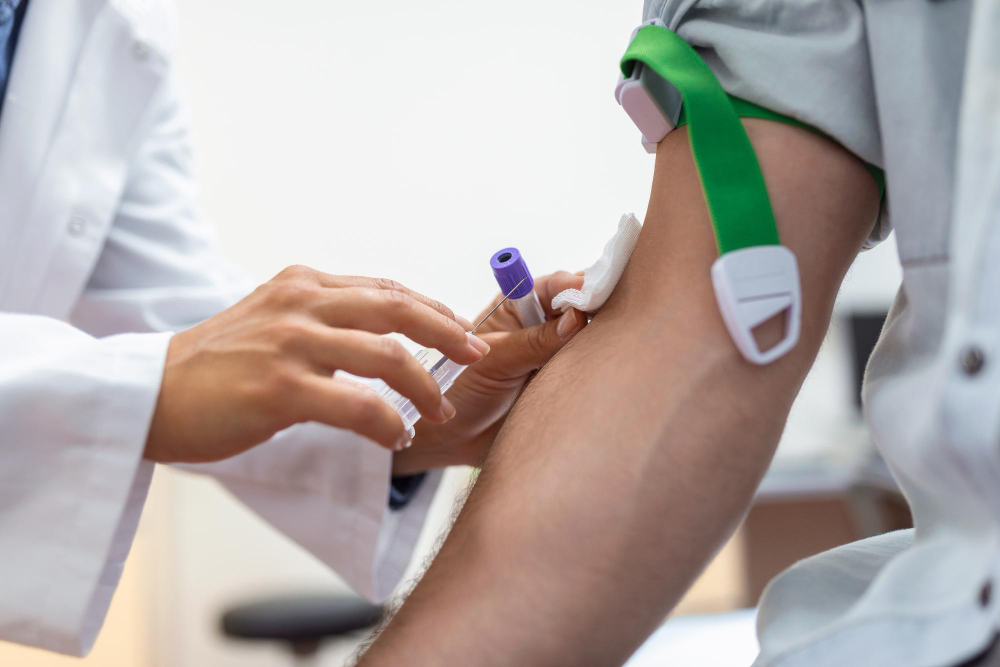
The FSH, LH, Prolactin test is a simple blood test. First, a nurse or technician cleans your arm. Next, they use a small needle to take a blood sample. The process usually takes only a few minutes. Afterward, you can return to your normal activities. Most people feel little pain, but you may have a small bruise. Your blood sample goes to a lab for testing. Results are usually ready in a few days. This test is safe and quick.
What Do the Results Mean?
Your FSH, LH, and Prolactin levels tell your doctor about your hormone health. However, normal levels can change with age, sex, and even the time of day. Here is what your results might show:
Because many things can affect hormone levels, your doctor will explain what your results mean for you. The World Health Organization (WHO) notes that hormone testing is just one part of a full health check.
Preparing for the Test
Most people do not need special steps before the FSH, LH, Prolactin test. Still, your doctor may give you some instructions. For example, you may need to:
Always follow your doctor’s advice. If you have questions, ask before your appointment. This helps get the most accurate results.
Frequently Asked Questions
When to Consult a Doctor
If you have symptoms like missed periods, trouble getting pregnant, or changes in milk production, talk to your doctor. Early testing can help find and treat hormone problems. Even if you feel healthy, it is wise to ask your doctor about hormone testing if you have concerns. Your doctor can guide you on the next steps and explain your results in detail.
Consult a healthcare specialist for personalized advice about hormone testing.