
Kidney Function Test: What It Is, Why It’s Done, and What to Expect

A kidney function test checks how well your kidneys are working. Your kidneys help remove waste and extra water from your blood. Because healthy kidneys are important for your body, a kidney function test can help find problems early. In this blog, you will learn what a kidney function test is, why it is done, and what to expect during the process.

What Is a Kidney Function Test?

A kidney function test is a group of tests that measure how well your kidneys are working. Usually, these tests check for waste products in your blood and urine. There are two main types of kidney function tests:

  • Blood tests: These measure waste products like creatinine and blood urea nitrogen (BUN).
  • Urine tests: These check for protein or other substances in your urine.
  • Sometimes, your doctor may order both types to get a full picture of your kidney health. For example, a simple blood test can show if your kidneys are filtering waste well.

    Why Is a Kidney Function Test Done?

    Doctors use kidney function tests for many reasons. Often, these tests help find kidney problems early. Here are some common reasons for testing:

  • Check for kidney disease or damage
  • Monitor existing kidney problems
  • Check how certain medicines affect your kidneys
  • Screen for kidney issues in people with diabetes or high blood pressure
  • Sometimes, you may need a test if you have symptoms like:

  • Swelling in your legs, ankles, or around your eyes
  • Changes in how often you urinate
  • Blood in your urine
  • Feeling tired or weak
  • If you have risk factors, such as a family history of kidney disease, your doctor may suggest regular testing.

    How Is a Kidney Function Test Performed?

    Getting a kidney function test is simple and safe. Here is what usually happens:

  • Before the test: Your doctor may ask you to avoid certain foods or medicines. Sometimes, you may need to fast for a few hours.
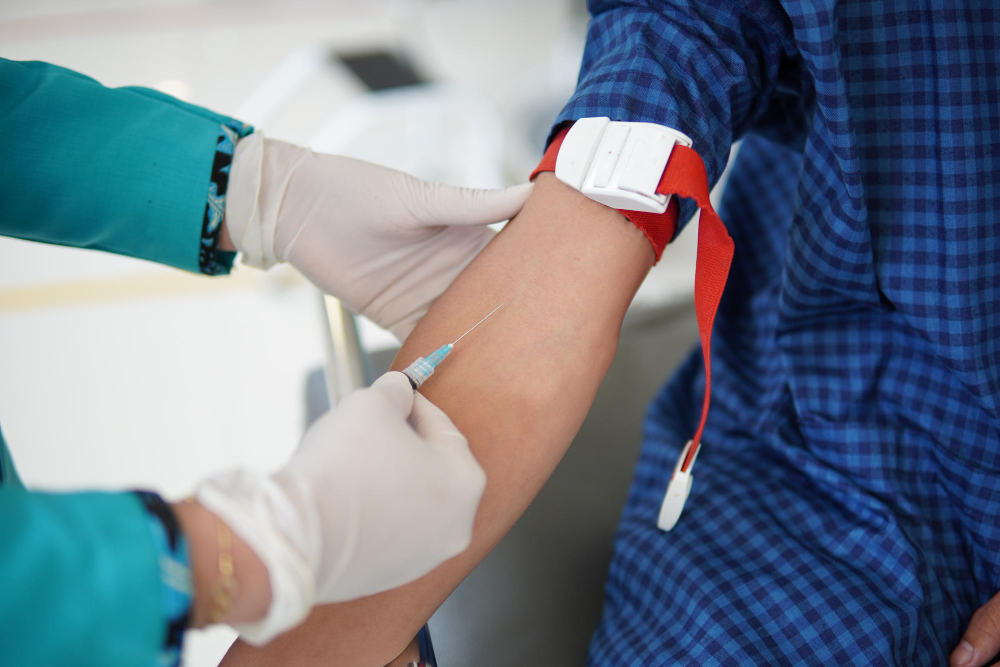
  • During the test: For a blood test, a nurse will take a small sample of blood from your arm. For a urine test, you will be asked to collect a sample of your urine in a clean container.
  • After the test: You can return to your normal activities. Your doctor will contact you with the results.
  • Usually, the test takes only a few minutes. Most people feel little or no discomfort.

    Understanding Your Results

    After your kidney function test, your doctor will explain the results. Here are some common results and what they mean:

  • Normal: Your kidneys are working well.
  • High creatinine or BUN: This may mean your kidneys are not filtering waste properly.
  • Protein in urine: This can be a sign of kidney damage.
  • However, many things can affect your results. For example, dehydration or certain medicines can change your numbers. If your results are not normal, your doctor may order more tests or suggest treatment. Always talk to your doctor if you have questions about your results.

    How to Prepare for a Kidney Function Test

    Preparing for a kidney function test is easy. Still, you should follow your doctor’s instructions. Here are some tips:

  • Tell your doctor about all medicines and supplements you take
  • Ask if you need to fast or avoid certain foods
  • Drink plenty of water unless told otherwise
  • Let your doctor know if you are pregnant or have other health problems
  • Because some medicines can affect your test, your doctor may ask you to stop taking them for a short time.

    Frequently Asked Questions

  • Is a kidney function test painful?
  • Most people feel only a small pinch during a blood test. Urine tests are painless.
  • How long does it take to get results?
  • Usually, you get results within a few days. Sometimes, it may take longer.
  • Can I eat before the test?
  • Often, you can eat as usual. However, your doctor may ask you to fast for some tests.
  • Do I need to stop my medicines?
  • Tell your doctor about your medicines. They will let you know if you need to stop any before the test.
  • How often should I get a kidney function test?
  • This depends on your health and risk factors. Your doctor will advise you.
  • Prevention and Kidney Health Tips

    Keeping your kidneys healthy is important. Here are some simple tips:

  • Drink enough water every day
  • Eat a balanced diet with less salt
  • Stay active and exercise regularly
  • Manage your blood pressure and blood sugar
  • Avoid smoking and limit alcohol
  • Take medicines only as prescribed
  • Because early care can prevent kidney problems, regular check-ups are helpful.

    When to Seek Medical Advice

    If you notice any of these warning signs, contact your doctor:

  • Swelling in your legs, feet, or face
  • Changes in urination, such as less urine or blood in urine
  • Severe tiredness or weakness
  • Shortness of breath
  • Loss of appetite or nausea
  • Early treatment can help prevent serious kidney problems. Therefore, do not wait to get help if you have symptoms.

    For personalized advice about kidney function tests, consult a healthcare professional.